North Norfolk Shore Diving – 6th–10th August
Having spent quite a bit of time diving the North Norfolk coast, I decided it was time to have a go at organising my first club trip. The plan was fairly ambitious: ten dives over five days, making use of both the high and low daylight slack tides between the 6th and 10th August.
Being reasonably local, the trip was kept fairly flexible. Some divers commuted up for a day or two, while others decided to stay locally. A few camped at Mill Farm Campsite, which proved to be a very nice site conveniently situated between Norwich, where we could get air fills, and the dive sites. Others opted for slightly more comfortable accommodation at the Sheringham YMCA.
The plan was to use the low-water slacks for Weybourne, where the extra walk down the beach is at least rewarded with a little more water over the sites, and use the high-water slacks for Sheringham, East Runton and Cley.
Thursday – A Slightly Lumpy Start
The sea state on the first day wasn’t particularly favourable, but Luke and I decided it was manageable enough to get in and, if nothing else, give us an idea of the visibility that we could pass on to those thinking of joining us for the following dives.
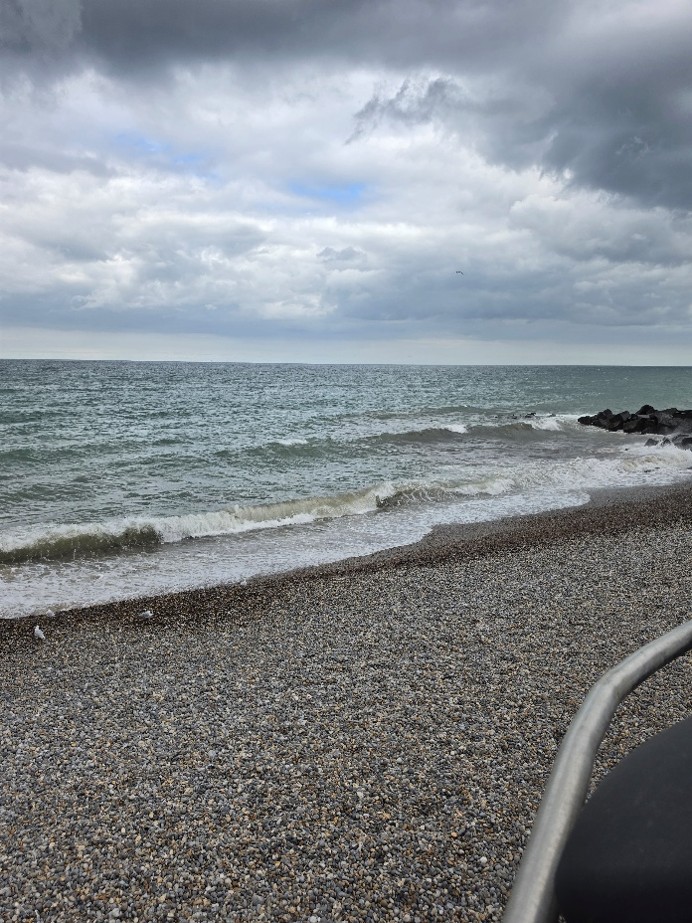
Rather than walking along to Weybourne Reef or the Rosalie, we decided to enter directly opposite the car park onto the sand.
Getting in was interesting.
The entry had to be timed carefully between some fairly large waves, but once we made it beyond the breakers things settled down and we could get on with the dive. Unfortunately, the visibility wasn’t particularly inspiring at around 2 metres.
After about 50 minutes of bobbing around underwater we arrived back at the beach, where we then had the pleasure of tackling the breakers again in reverse.
It was nice to be back in the water, but it wasn’t quite the start to the trip I’d hoped for.
Next on the schedule was Sheringham Gullies, one of my favourite local dives. Unfortunately, the wind and waves had other ideas and it simply wasn’t safe to dive.
We therefore implemented the first contingency plan of the trip: a few beers instead.
Friday – Rosalie and a Missing Vera
Friday morning was our first attempt at the Rosalie at Weybourne, with six divers deciding to give it a go.
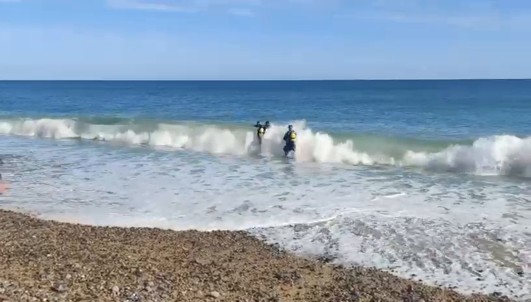
Conditions were still making the entry difficult. One buddy pair got completely wiped out by the waves and another diver managed to lose a fin, but eventually we made it through and headed out to the wreck.
We dropped onto the boiler in a rather snotty 2 metres of visibility. There was plenty of life moving around the wreck, but with the limited vis it was difficult to get a proper picture of where we were or really appreciate the wreck as a whole.
Next up was an attempt on the SS Vera at Cley and our first high-water dive of the trip.
Luke and I were the only participants for this one.
Unfortunately, we completely missed the wreck.
It also became apparent that my high-water slack calculation was about 30 minutes out. The resulting underwater search eventually deposited us around 800 metres down the beach, leaving us with a fairly substantial hike back once we surfaced.
Every dive teaches you something. This one taught me quite a lot.
Saturday – Things Finally Come Together
Saturday morning started with Weybourne Reef, with eight divers giving it a go.
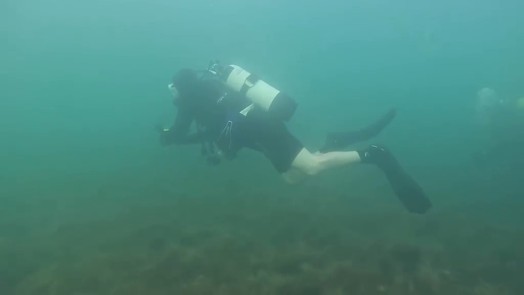
This was where the trip really started to come together.
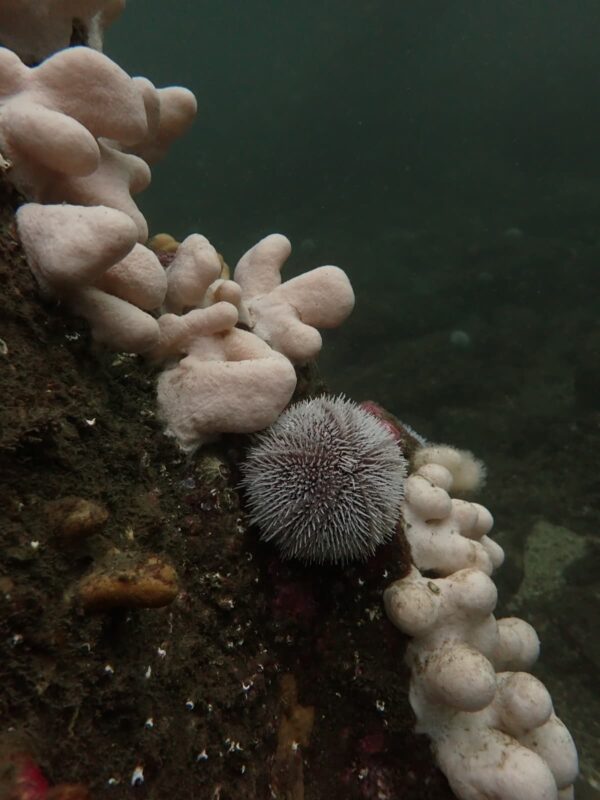
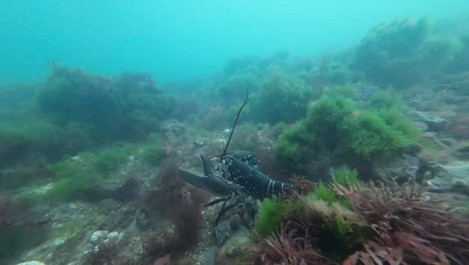
Visibility had improved considerably, reaching around 4 metres, and there was plenty to see amongst the chalk reef. We spotted lobsters, crabs, bass, wrasse and blennies, along with shrimps hiding away in the countless nooks and crannies.
It was a lovely dive and seemed to be enjoyed by everyone.
Then came the bit that doesn’t feature quite so prominently when people describe shore diving: the walk back up the shingle storm beach in full kit.
The high-water dive that day was East Runton.
East Runton offers a much friendlier sandy entry before heading out onto the chalk reef. The reef itself was covered in a garden of different coloured seaweeds, with lobsters and wrasse amongst the marine life.
Another lovely dive and a very different feel to Weybourne.
The day was finished off with a meal and a few drinks at what appeared to be the only pub we could find still serving food after 8pm – complete with a seal making an appearance to round things off.
Sunday – The Rosalie Delivers
Sunday morning saw us return to the Rosalie with six divers, and this time everything came together.
It was probably the best dive of the trip.
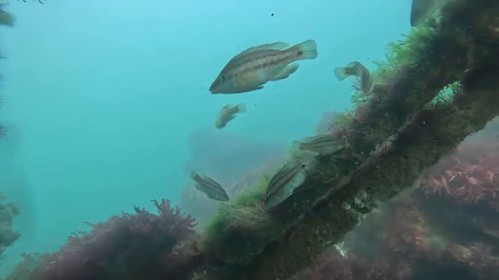
Visibility had opened up to around 8 metres and suddenly the wreck we’d struggled to make sense of two days earlier came alive. There was marine life everywhere, darting in and out of the wreckage, and we could finally get a proper appreciation of the site.
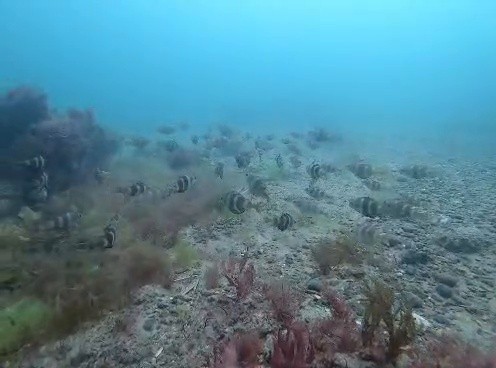
It was a cracking dive.
Next up was Sheringham Esplanade, heading out onto the chalk reef.
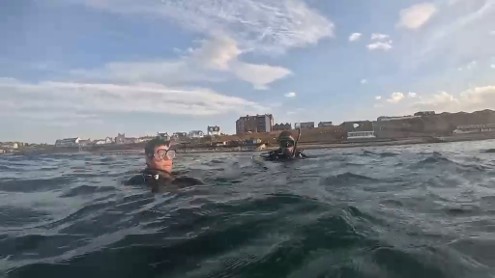
Five of us managed a good hour underwater exploring the reef before calling it a day and finishing things off with pizza.
By this point, diving followed by food had become a fairly important part of the trip planning.
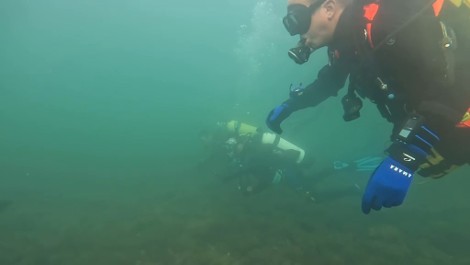
Monday morning brought us back to the Rosalie for the final planned dive.
An onshore wind had made the sea fairly lumpy again and the visibility had returned to being decidedly snotty.
Rather than doing the long walk along the beach in full kit, we decided to enter opposite the car park and drift down towards the wreck.
In theory, this avoided the challenging walk.
In practice, it meant we’d already spent around 30 minutes in the water before reaching the wreck, and by halfway through the dive we were getting very cold.
With eight of the ten planned dives completed, we decided that was probably a good point to call the trip and head home.
Lessons From My First Club Trip
For my first attempt at planning and running a club trip, I think it went fairly well.
The weather certainly wasn’t cooperative during the first couple of days, and I learnt a useful lesson about relying on calculated high-water slack times, but conditions improved as the week went on and we eventually got some excellent diving.
It was also a great learning curve from an organisational point of view and has given me plenty of ideas for future trips.
Perhaps my biggest revelation, however, is that I may previously have oversold North Norfolk shore diving as the easy option.
On paper it sounds simple: park the car, put your kit on and walk into the sea.
The reality can involve a long walk along a shingle beach in full kit, followed by a surface swim before the dive has even started. Then you do the whole thing again in reverse, potentially finishing with a climb back up a cliff or storm beach to the car.
It certainly isn’t for the faint hearted.
Despite the weather, missed wrecks, lost fin, questionable slack water calculations, long walks and a few batterings from the North Sea, we completed eight of the ten planned dives and had some excellent diving along the way.
More importantly, everyone came back with a few stories to tell.