Six club members dived two great wrecks off the North Norfolk coast using our own RIB.
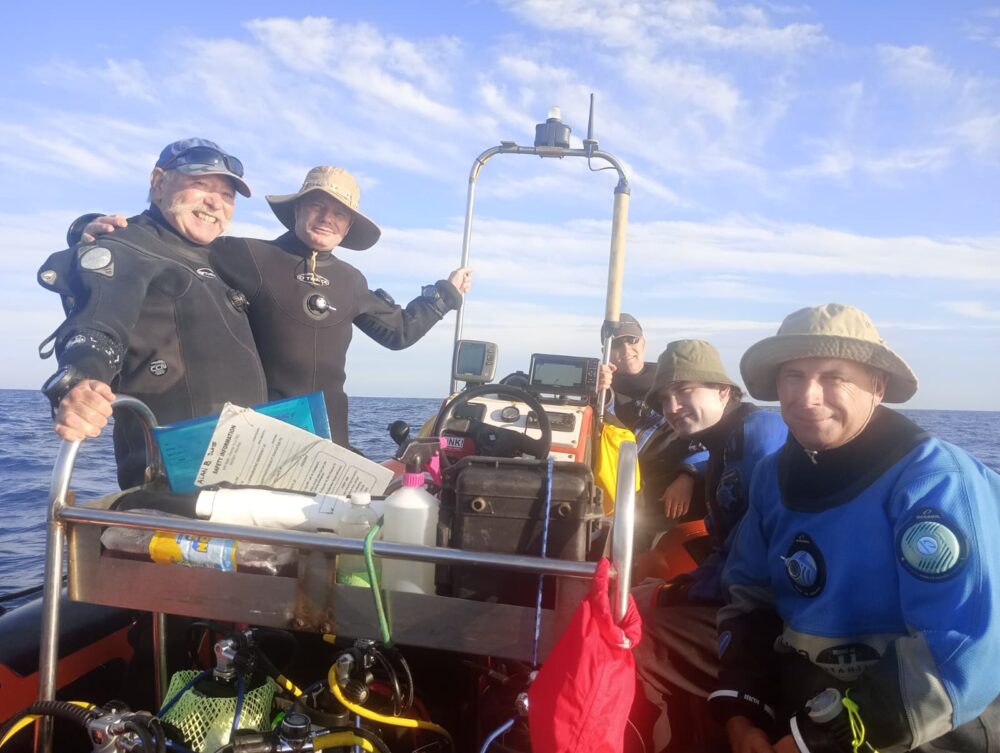
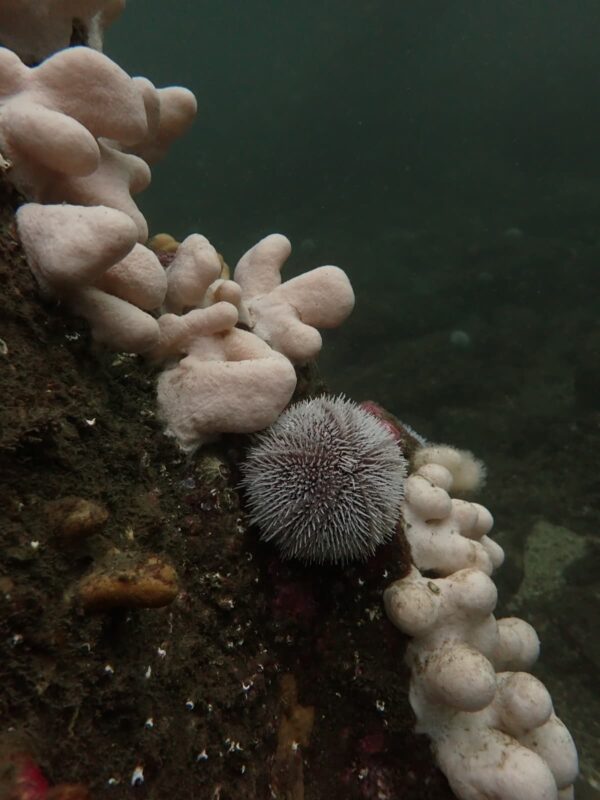
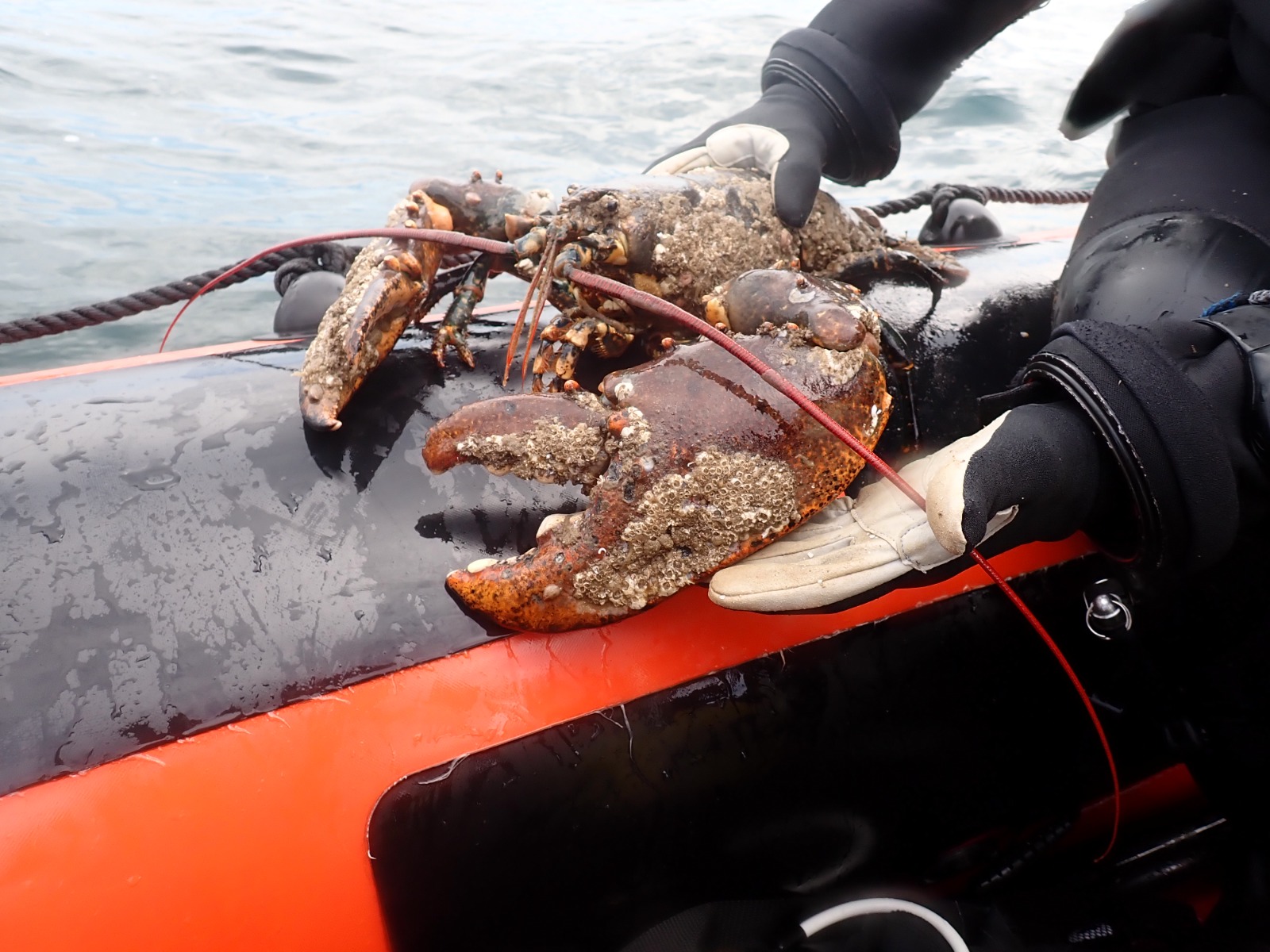
We launched from Sea Palling at 6:15am which meant leaving Ipswich at 3:30am (yawn). There was a bit of swell running, but it was a beautiful morning. The first dive was on the Ontario, a wreck in about 20m of water. It’s a huge wreck, massive engine, large boilers and a big stern section which must sit up about 10m off the seabed. The wreck is covered in anemones and there was lots of sea life including several good-sized cod. The second dive was on the Oxshott (or possibly the Galloir) which sits in about 16m of water. This wreck wasn’t as large as the Ontario but still a good size although more buried in sand. The large stern sits up about 8 metres, and the large prop can easily be seen. You follow the prop shaft to the engines/boilers and on towards the bows as the wreckage starts to peter out. Lots of life on this wreck too. Rick brought up a granddaddy of a lobster which we returned to the water after taking a few pictures. 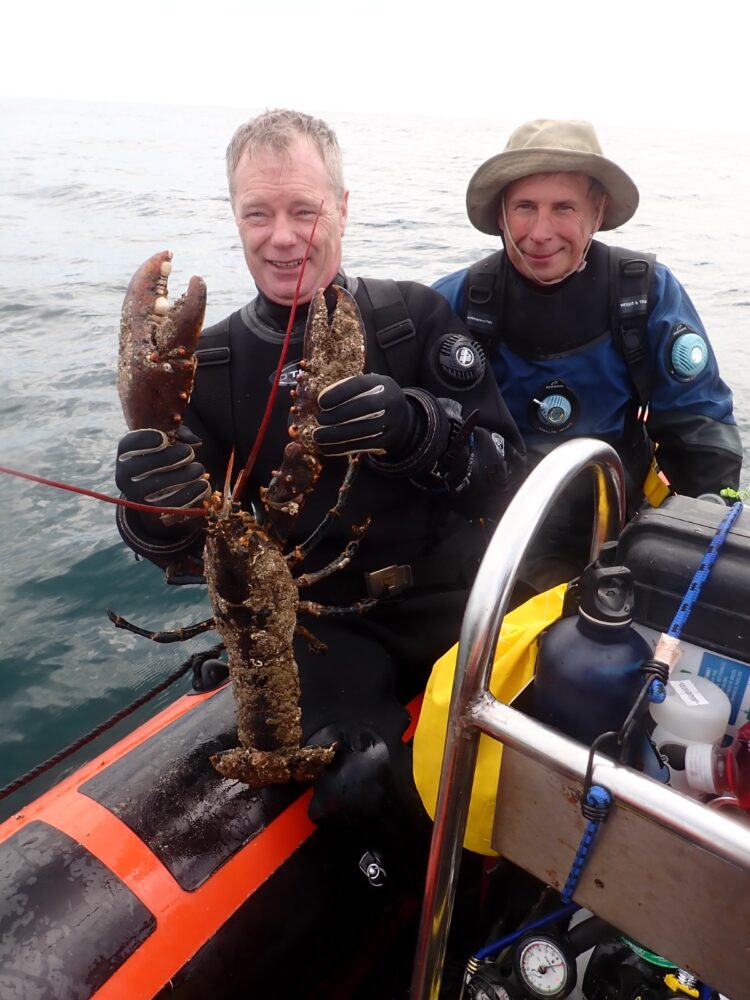
It was an excellent days’ diving on two spectacular wrecks. Viz was 6 to 8m. Congratulation to William D for competing his first two UK sea dives – we had to warn him that not all UK dives are like his first UK diving experience! Our thanks to Joe and Ian C for organising the trip and for towing the boat. I got back to Ipswich around 5:30pm which made up (a bit) for the early start. We have some spectacular diving off our coast. It isn’t easy diving and very weather dependant but diving on wrecks in good viz like the Ontario and Oxshott make all the hard work worthwhile and I, for one, intend to dive these two wrecks again.
 (AI generated)
William’s experience:
I recently had the opportunity to take part in my first wreck-diving trip off the coast of Sea Palling, and it was an experience I won’t forget anytime soon.
The day started early, with the team arriving in time for the 8am slack tide. Once we were kitted up and ready, we headed to our first dive site, the wreck of the Ontario, a coal-carrying vessel that sank on its maiden voyage in the late 1800s. The wreck was fascinating to explore, with enough of the structure still intact to identify different sections of the ship. Every surface was covered in marine life, from colourful anemones to crabs and lobsters sheltering among the remains. Conditions were excellent, with sunny weather above the surface and around seven metres of visibility underwater. We spent approximately 35 minutes exploring before returning to shore for lunch.
Our second dive was on the wreck of the Galloir. Although smaller than the Ontario, it was equally impressive and teeming with marine life. Highlights included spotting two giant boilers, a huge propeller and prop shaft, and some of the largest crabs I have ever seen. Rick and Craig also found the biggest lobster I’ve encountered so far. We spent around 30 minutes on the wreck before surfacing and making our way home.
Overall, it was an incredible day and a fantastic introduction to wreck diving. I learned a great deal, including the importance of timing dives around slack tide. I also discovered that I do in fact get seasick, a lesson I’ll remember the next time sea sickness tablets are offered. Everyone agreed that the conditions were exceptional, and I feel very fortunate that my first sea diving experience was such a memorable one.